Oera Linda alphabet is a real alphabet
Re: Oera Linda alphabet is a real alphabet
Above Macalister's Ogham script, that uses the same AOUEI vocal order as OL MS, can also be organised as a hornbook alphabet:
Or if one desires the AOUEI to be at top, as in OL MS, it can be re-ordered like this (to be read from handle to top):
- Cú Chulainn
- Posts: 31
- Joined: 15 Jan 2025, 18:32
Re: Oera Linda alphabet is a real alphabet
The Ogham connection is interesting.
Do you have any findings with the evolved Ogham into Old Irish, Nordic?
I link some of the basic changes here, but the main fold of the Auraicept na nÉces (Scholar’s Primer) is right on the wiki page.
I’ve detailed it elsewhere, however the Gaels claim to have developed at least Latin and Greek (from other languages predecessors) while generating the original Gaelic script, and apparently Hebrew as well, hence the similarities between the Phoenician tree with Gaelic.
Fol. 170v of the Book of Ballymote (page 361) correlates each Ogham symbol with the Old Irish equivalent, and the prior page (360) scribes many Ogham variants, thereby presenting more potential connections for your research.
A point of note in the phonetics of Ogham itself is that, traditionally, Óg meant the younger (than an elder with the same name) or young warrior, essentially given as an epithet often after the first name.
Do you have any findings with the evolved Ogham into Old Irish, Nordic?
I link some of the basic changes here, but the main fold of the Auraicept na nÉces (Scholar’s Primer) is right on the wiki page.
I’ve detailed it elsewhere, however the Gaels claim to have developed at least Latin and Greek (from other languages predecessors) while generating the original Gaelic script, and apparently Hebrew as well, hence the similarities between the Phoenician tree with Gaelic.
Fol. 170v of the Book of Ballymote (page 361) correlates each Ogham symbol with the Old Irish equivalent, and the prior page (360) scribes many Ogham variants, thereby presenting more potential connections for your research.
A point of note in the phonetics of Ogham itself is that, traditionally, Óg meant the younger (than an elder with the same name) or young warrior, essentially given as an epithet often after the first name.
Re: Oera Linda alphabet is a real alphabet
Thank you for teaching me with all those links, very fascinating stuff (also visually).
Some of the writing styles frankly look like my eyes like later echoes of original stone age writing system e.g. the ones with slashes / / / / and some look definitely more newer from medieval era.
P. 29 of 564 • f. 10 r of Book of Ballymote seems to list nations (link) and there is also Frisia in it.
No, sorry.Cú Chulainn wrote: 02 Sep 2026, 17:37Do you have any findings with the evolved Ogham into Old Irish, Nordic?
This makes some elementary sense if we equate the Gaels with Cisalpine Gauls (Gauls of northern Italy); the old Celts of Italy with Near Greeklands of OL MS (as an archaic branch of root Germanic peoples) and the Gauls with Galli priesthood of eastern Levant and Phoenicians in OL MS, as Herodotus claims that Greek script came from Phoenician. It's actually quite a good example of not to dismiss claims that at first may sound a bit of a stretch!Cú Chulainn wrote: 02 Sep 2026, 17:37I’ve detailed it elsewhere, however the Gaels claim to have developed at least Latin and Greek (from other languages predecessors)
Some of the variants looks genuinely archaic. For example the concentric wedges thing, that looks like ^ , is something seen in stone age and bronze age art (even Göbekli Tepe may have some). The concentric rings looks like an old world map with stories of concentric lands and seas e.g. saying to be beyond seven seas, as seen in Babylonian Map of the World, Gotland image stones and Hindu-Buddhist world maps.
Some of the writing styles frankly look like my eyes like later echoes of original stone age writing system e.g. the ones with slashes / / / / and some look definitely more newer from medieval era.
P. 29 of 564 • f. 10 r of Book of Ballymote seems to list nations (link) and there is also Frisia in it.
Here I'm reminded of the stone age Scandinavian dynasty Ynglings (from yng 'young') with their Nóatun or 'Noah' legend - if we assume the existence of Celtic-Germanic association, as is evident from OL and the corresponding part in Lebor Gabála Érenn that talks about the Nordic countries and locales in e.g. Sweden (Muirias from Mora, Sweden), lot of these Noah's flood stories in Celtic stories suddenly have really archaic roots.Cú Chulainn wrote: 02 Sep 2026, 17:37A point of note in the phonetics of Ogham itself is that, traditionally, Óg meant the younger (than an elder with the same name) or young warrior, essentially given as an epithet often after the first name.
- Cú Chulainn
- Posts: 31
- Joined: 15 Jan 2025, 18:32
Re: Oera Linda alphabet is a real alphabet
Such detail that is much and more helpful!
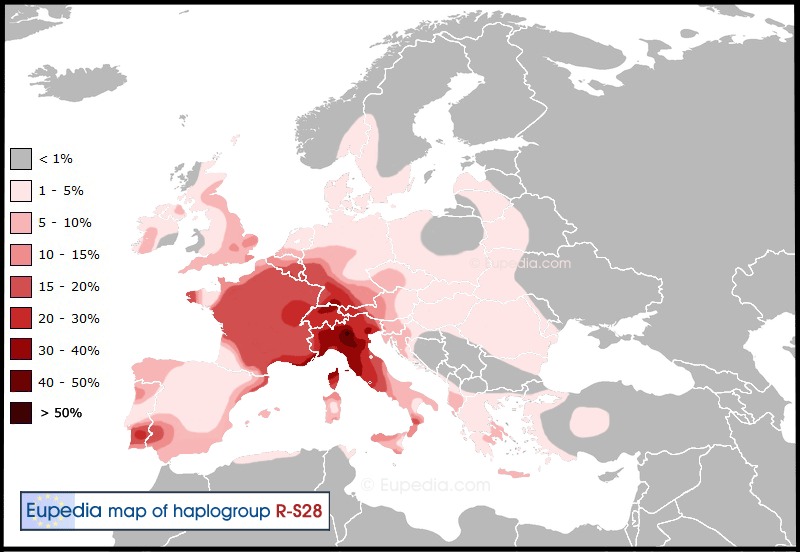
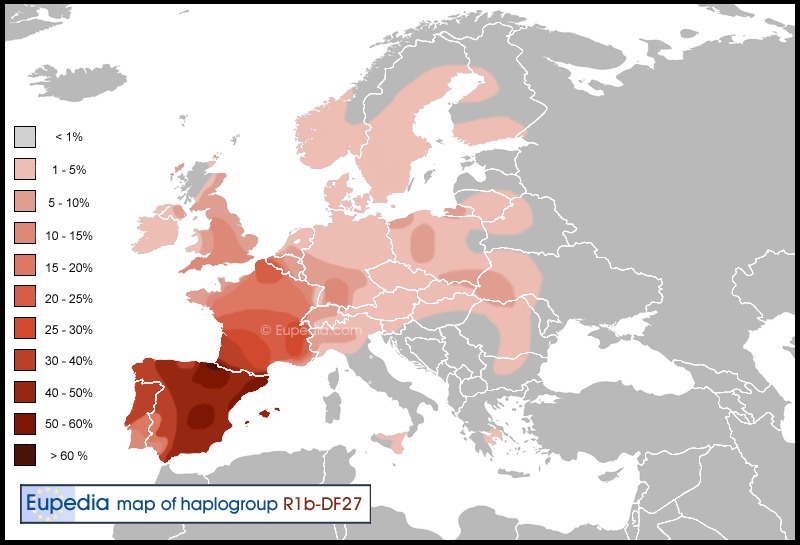
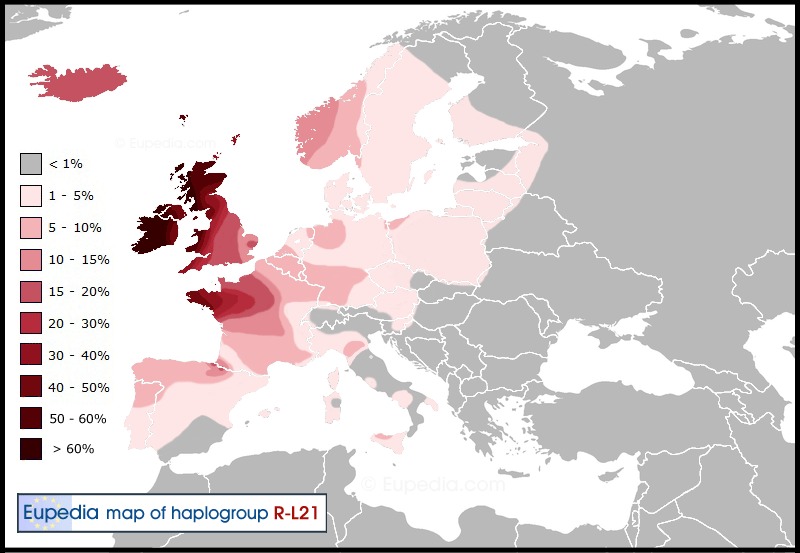
All of that above is only introduction to a more apt channeling, however, because several responses came through to reply with, yet none seemed more crucial to reflect than the R1b subclades, those being three distinct groupings (with two centered in Ireland and Spain).
Meaning, so it appears to seem, how these areas are distinctly perpendicular to the Frisian language, yet somehow uniformly recognizable (your reference to the concentric rings).
What I feel is a huge disruptor for understanding these cross references is how Celts are a broad term used to describe mainlander Germanic peoples and islander Gaelic peoples, and this is a problem for reviewing the histories since Gaels (of the R-L21 subclade) would only describe themselves as such or as Scots (Scythians).
The Kelta to Celt though is intriguing and must be treated more with caution because it may be applying this figure to the broader peoples that sustained the similar DNA heritage, yet diverged at each stage of their nomadic wanderings.
Regarding the Germanic-Celtic association you reference, there is a specific middle Germanic region (the name escapes me at the moment) where the blend of this wandering peoples subclades combined with the already established (Frisian) peoples.
This is probably why proponents argue for the universal Nordic or Germanic foundations of all celts, with Scythian migrations coming later, than the actual stories that clearly dictate the Scythian wanderings well before (Gaels, Tuath Dé, Picts, etcetera).
I will see to making a tighter post about those subclades and how it ties the language confluences together (based on the proposed locational synergy).
I believe as you referenced, it was identified on another thread how the Gael’s i is not dotted, yet a triangle wedge on top of the bar similar to a small Tyr tune, which is a significant aspect of the inital writing systems of that region.
Herodotus’ review of Greek from Phoenician is a very potent parallel to the script on the Gaels scholarly gnosis.
In reference to the list where Frisian arises, this is only the second instance (besides them being referred to having fought the Gaels in their wandering to Spanish Iberia from Armenian Iberia), where the list is supposed to be the 72 total languages (as in each language represents the nation, not the other way around) present at the time of the Gaelic construction of the Ogham script.
Here is a clue that can help decipher the blend of the languages, since it seems clear each languages inception (without respect to the usual borrowing that occurs over time), how the uniqueness of Frisian in the spoked wheel (circle design) is distinct from the represented Gaelic foundation in the Ogham’s square..Nordic wrote: 04 Sep 2026, 21:16 It's actually quite a good example of not to dismiss claims that at first may sound a bit of a stretch!
All of that above is only introduction to a more apt channeling, however, because several responses came through to reply with, yet none seemed more crucial to reflect than the R1b subclades, those being three distinct groupings (with two centered in Ireland and Spain).
The third is near the region of what you call the cisalpine Gauls, although a researcher whom has shared the R1b mappings and a modern Celtic language heat map has indicated the cisalpine celts (synonymous with the Gauls, more in eastern portion of Alps) have a distinct subclade (R-S28) from the Irish R-L21 and Spanish R1b-DF27Nordic wrote: 04 Sep 2026, 21:16 if we equate the Gaels with Cisalpine Gauls (Gauls of northern Italy); the old Celts of Italy with Near Greeklands of OL MS (as an archaic branch of root Germanic peoples) and the Gauls with Galli priesthood of eastern Levant and Phoenicians in OL MS
Meaning, so it appears to seem, how these areas are distinctly perpendicular to the Frisian language, yet somehow uniformly recognizable (your reference to the concentric rings).
What I feel is a huge disruptor for understanding these cross references is how Celts are a broad term used to describe mainlander Germanic peoples and islander Gaelic peoples, and this is a problem for reviewing the histories since Gaels (of the R-L21 subclade) would only describe themselves as such or as Scots (Scythians).
The Kelta to Celt though is intriguing and must be treated more with caution because it may be applying this figure to the broader peoples that sustained the similar DNA heritage, yet diverged at each stage of their nomadic wanderings.
Regarding the Germanic-Celtic association you reference, there is a specific middle Germanic region (the name escapes me at the moment) where the blend of this wandering peoples subclades combined with the already established (Frisian) peoples.
This is probably why proponents argue for the universal Nordic or Germanic foundations of all celts, with Scythian migrations coming later, than the actual stories that clearly dictate the Scythian wanderings well before (Gaels, Tuath Dé, Picts, etcetera).
I will see to making a tighter post about those subclades and how it ties the language confluences together (based on the proposed locational synergy).
For now I will link the Sumerian lexicon because this seems to be the root of the Gaels wandering (from the Mesopotamian region) based on the dense archaic script feeling like it blends into the more basic and universal Ogham script post Scotic expulsion from the region.Nordic wrote: 04 Sep 2026, 21:16 For example the concentric wedges thing, that looks like ^ , is something seen in stone age and bronze age art (even Göbekli Tepe may have some)
I believe as you referenced, it was identified on another thread how the Gael’s i is not dotted, yet a triangle wedge on top of the bar similar to a small Tyr tune, which is a significant aspect of the inital writing systems of that region.